A Report on the Field Research of the Darien Suburban Residential Area
(24–28 June 2026)
Taoyuan (桃源) in Chinese means a secret and stunning place where one can avoid war and live in peace, but once one leaves it, one can never find it again. This image comes from the famous narrative 桃花源記 (とうかげんのき), written by Tao Yuanming (陶淵明, とう えんめい). I learned this story when I was a junior high school student.
In 1922, the government of Kwantung (関東州) and the Dairen Suburban Housing Company (大連郊外土地株式会社) developed a new suburban residential area in the south of Dairen, and named one residential zone Tougen (桃源).
At that time, modernist theories of architecture, machinery, and industry had spread widely, and many Japanese people were living in apartment houses designed according to standardized plans, without gardens or nature. Everything was made to be the same; everyone was expected to live the same way. In such a life, people gradually lost their identities and the meanings of their lives.
They began to search for a new place where they could express their own ideas and escape from standardized life, just like 桃花源 . Thus, they developed a suburban residential area surrounded by rivers and greenery, leaning against the mountains, and opening toward a view of the sea.
So, how has this secret paradise changed over time?
More than one hundred years have passed. Carrying the original housing drawings produced by the Dairen Suburban Housing Company, I set out to search for the memories that still remain in this place.
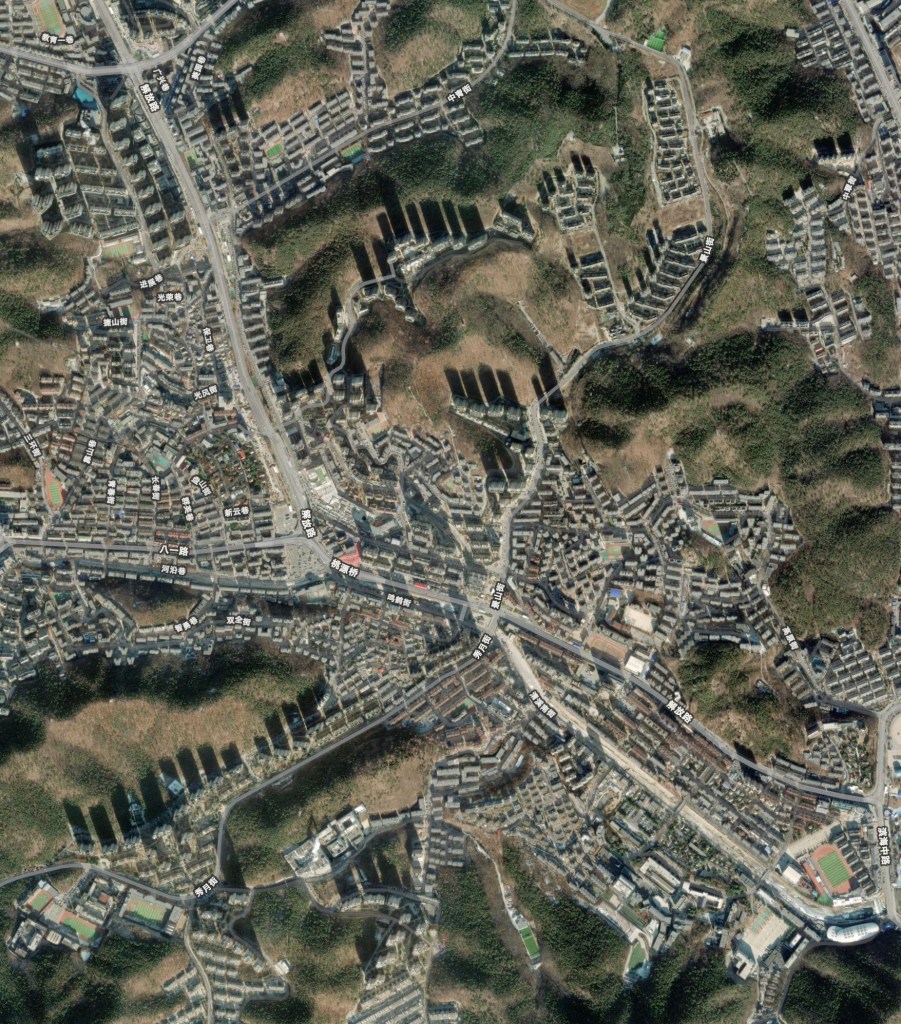
Aerial view according to Apple Maps.
Can you see the place name “桃源橋”? This was the Tougen (桃源) residential area in the 1920s. However, few suburban houses remain on the east side of the road today. In contrast, the western side still has a noticeably lower housing density. Therefore, I focused my survey on this area.
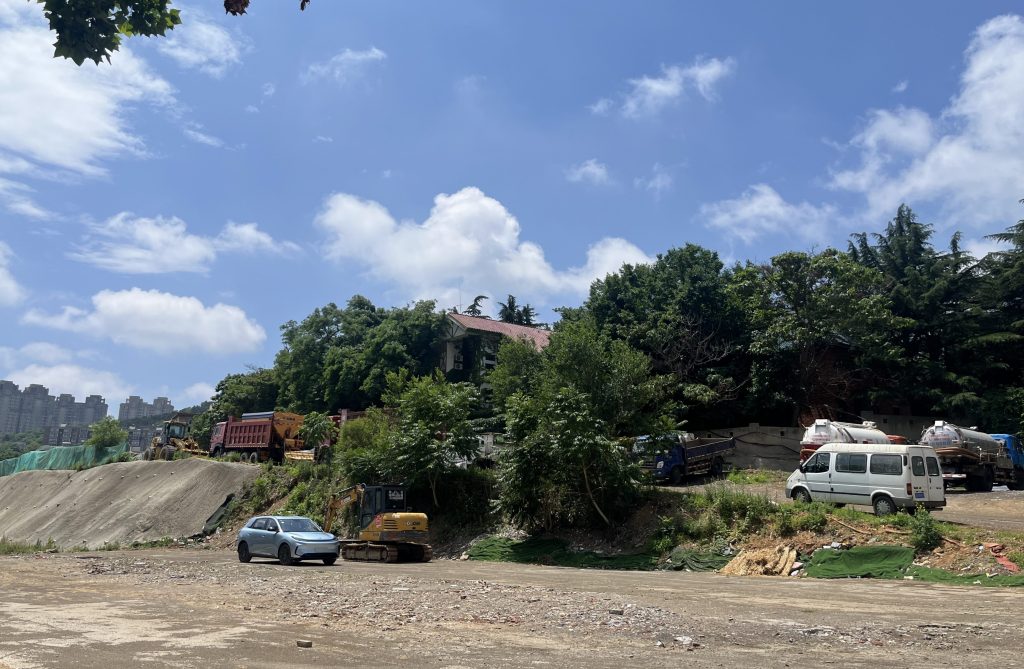
Amazingly, we could see almost nothing of the residential area from the road. It was as if it were a secret paradise, hidden from the outside world.
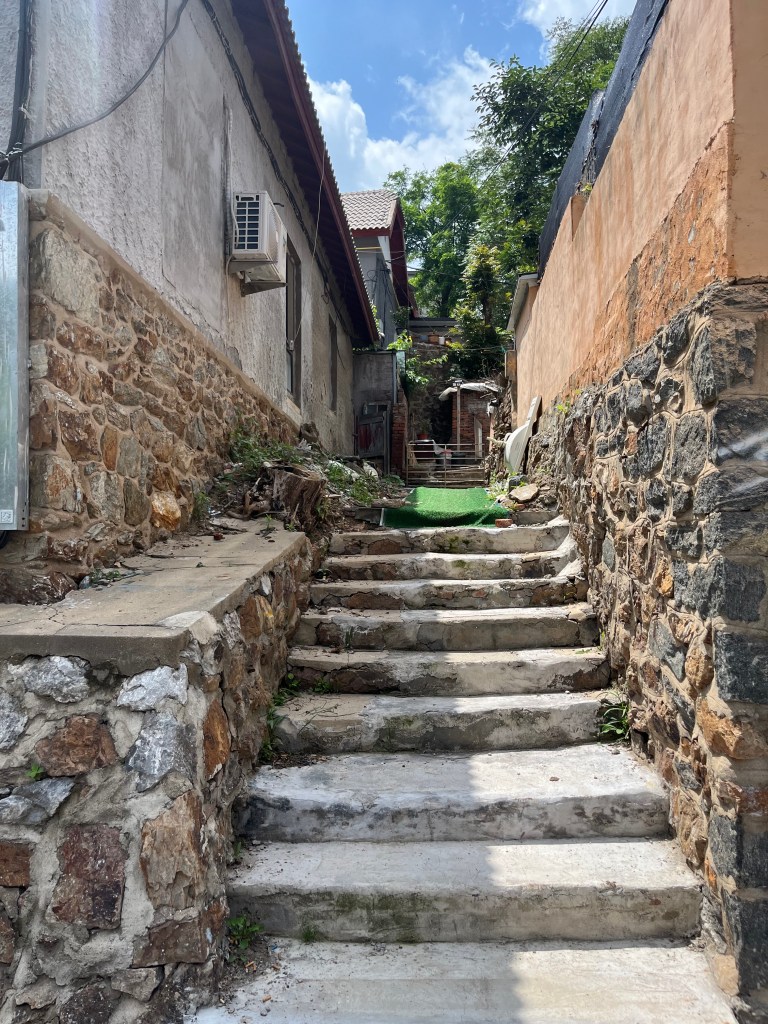
Natural rock formations shaped the landscape. Left untouched by human hands, the rocks retained their original character and became an essential part of the scenery. They embodied the suburban ideal of living close to nature rather than controlling or reshaping it.
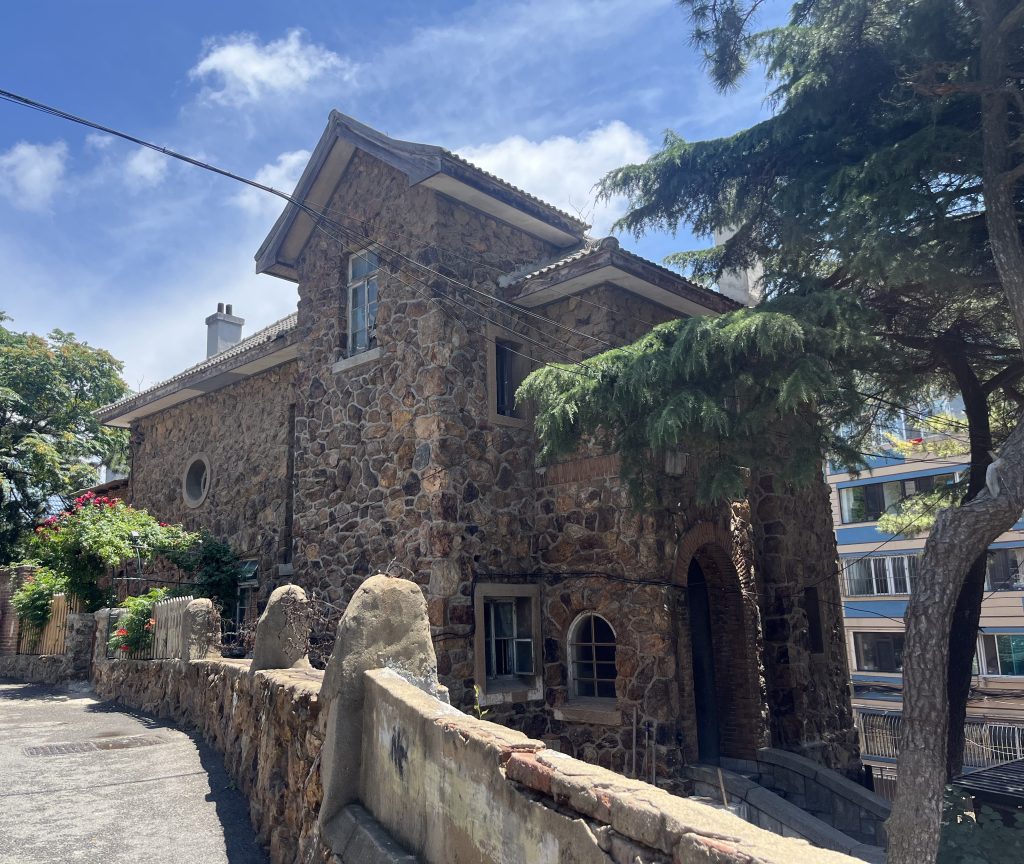
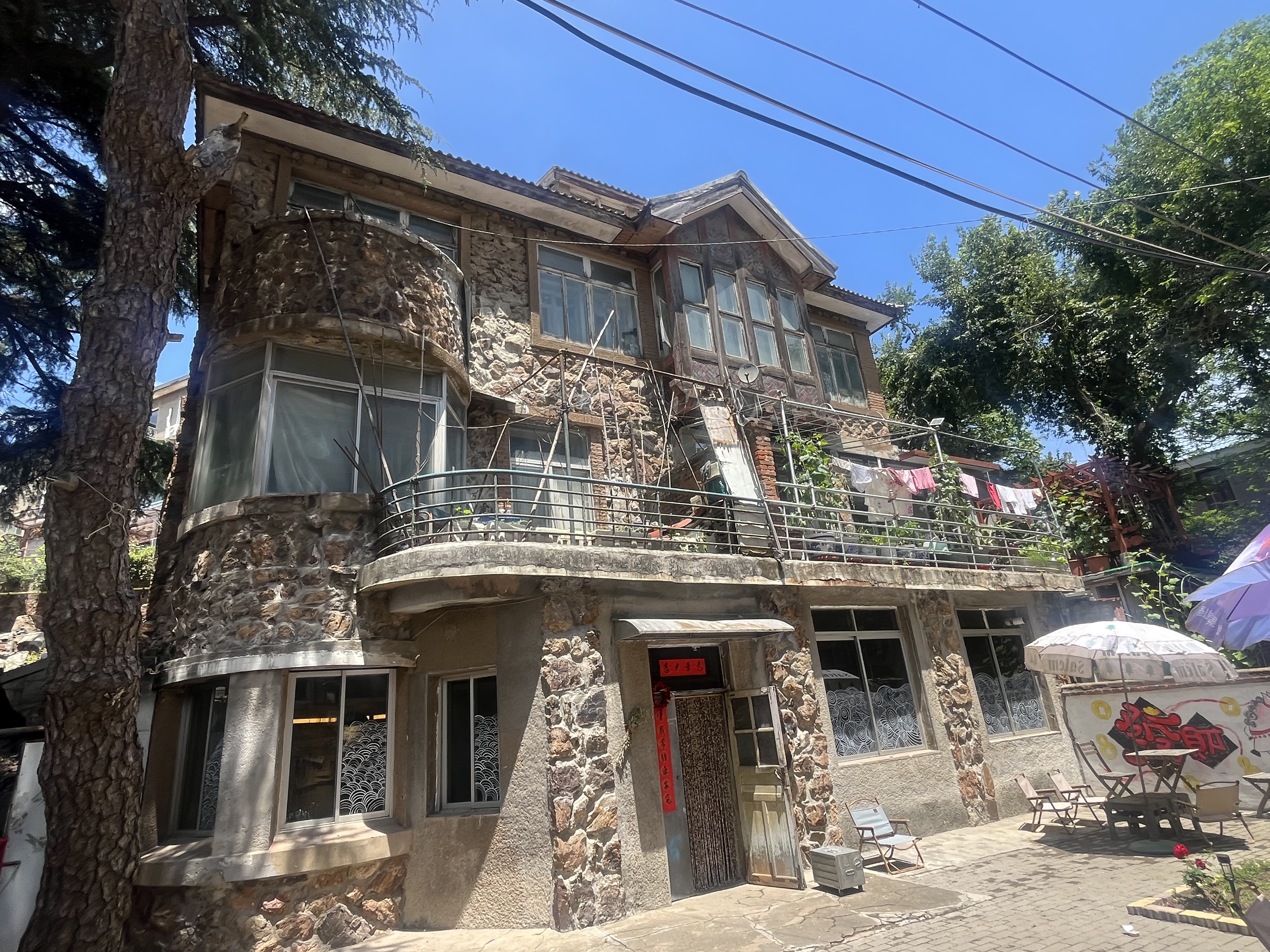
We can still notice traces of suburban life: the sunshine, the trees, the terraces, and the gardens, even though this area has long since been absorbed into the city.
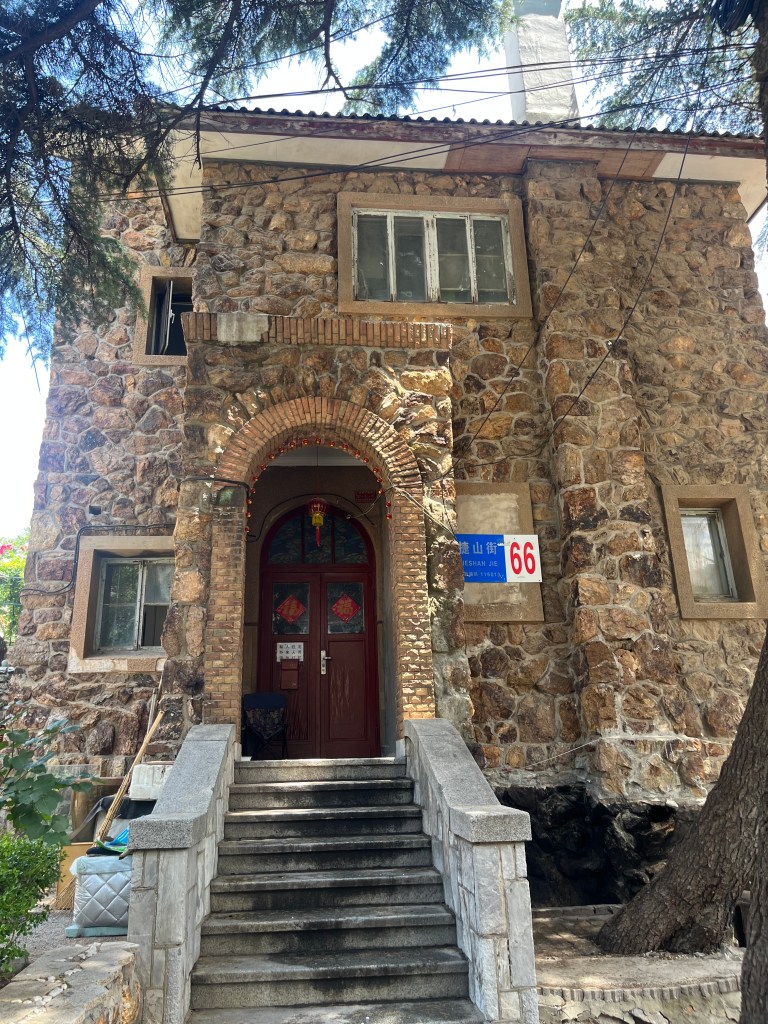
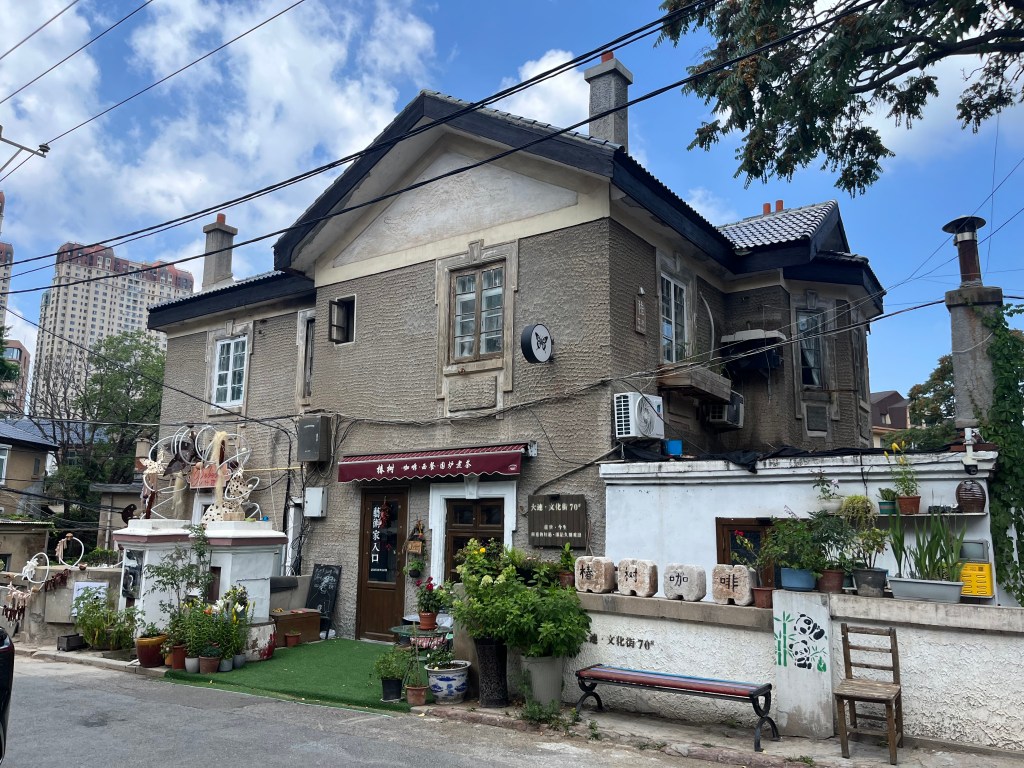
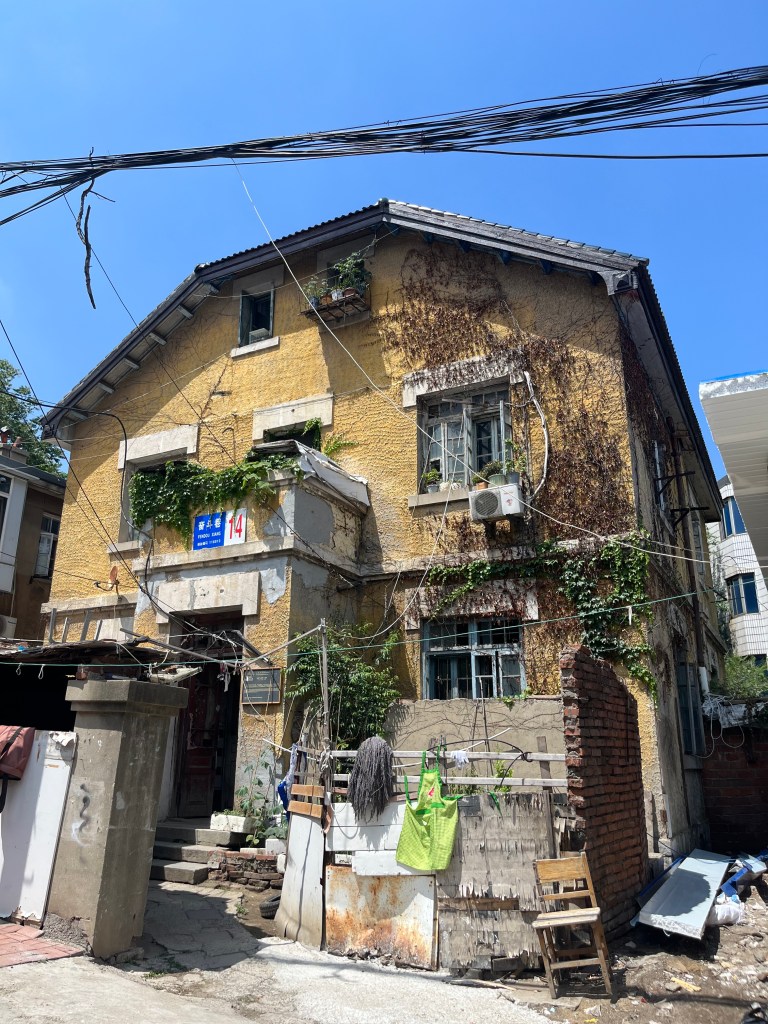
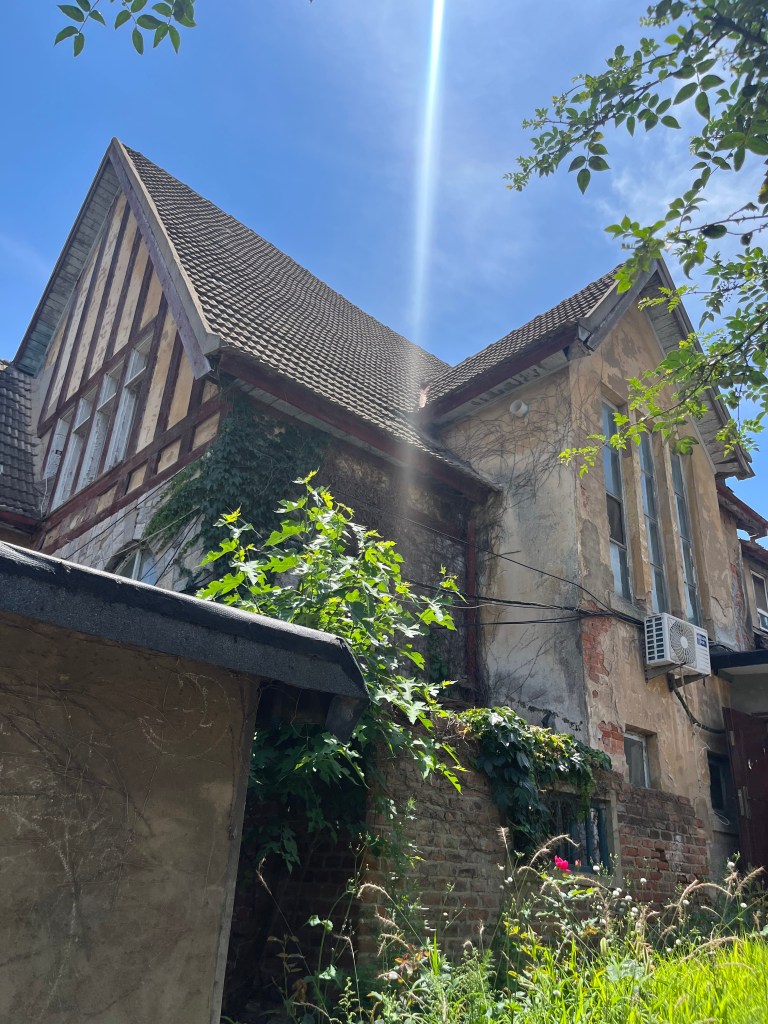
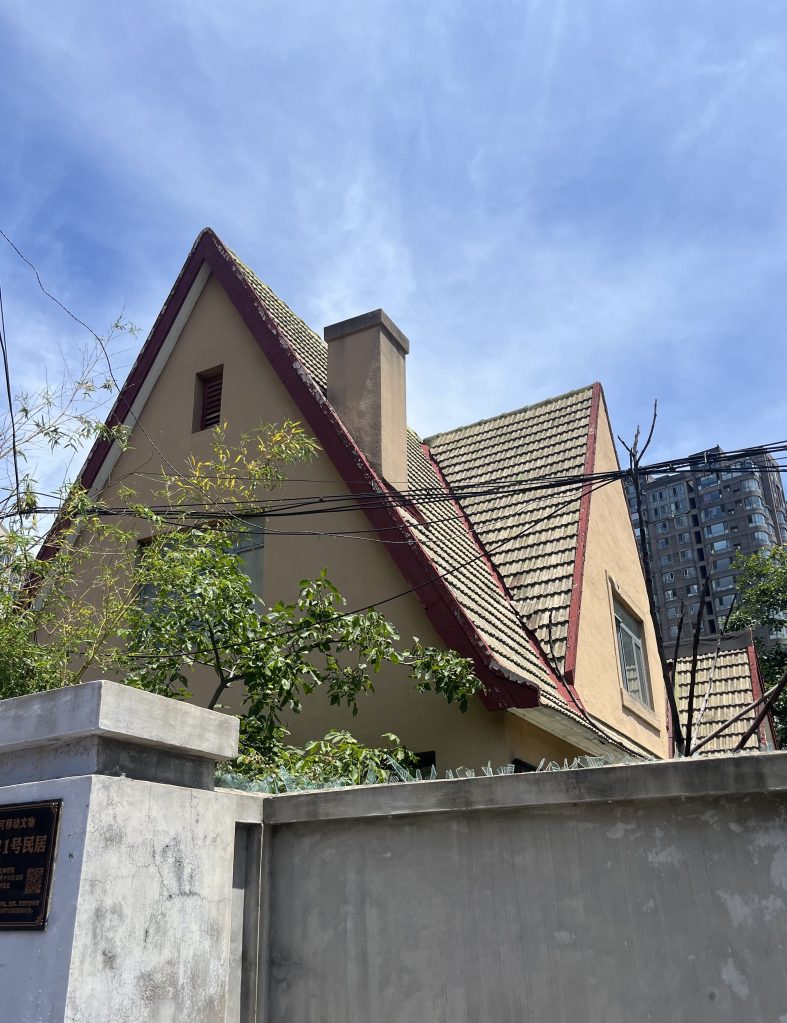
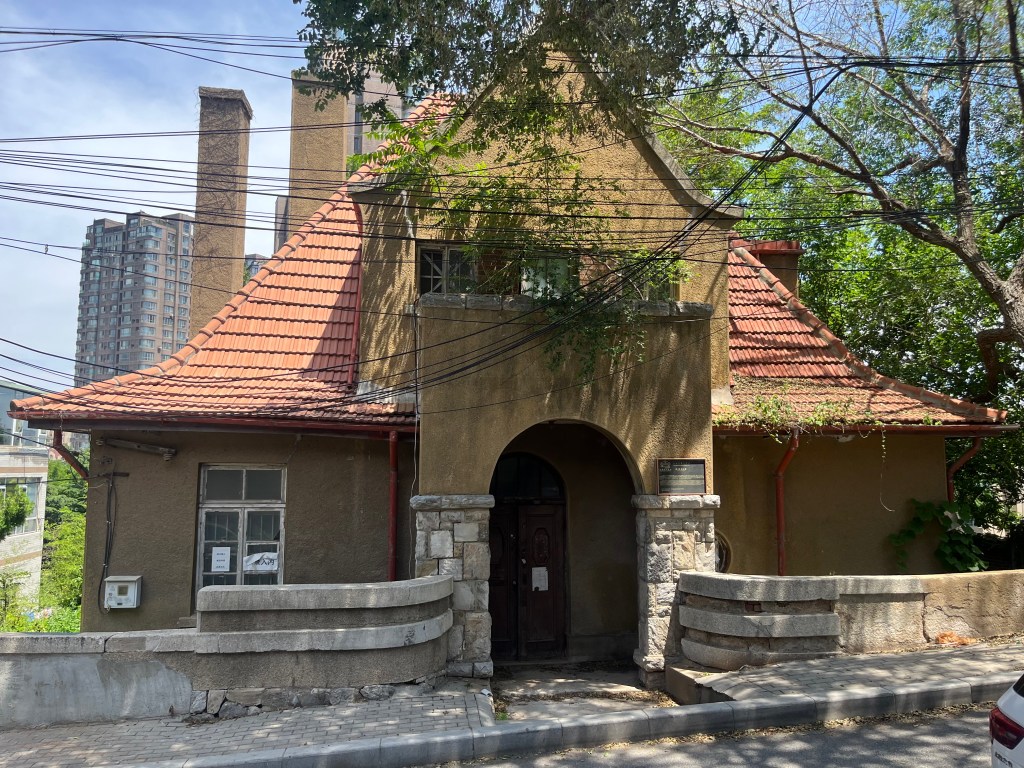
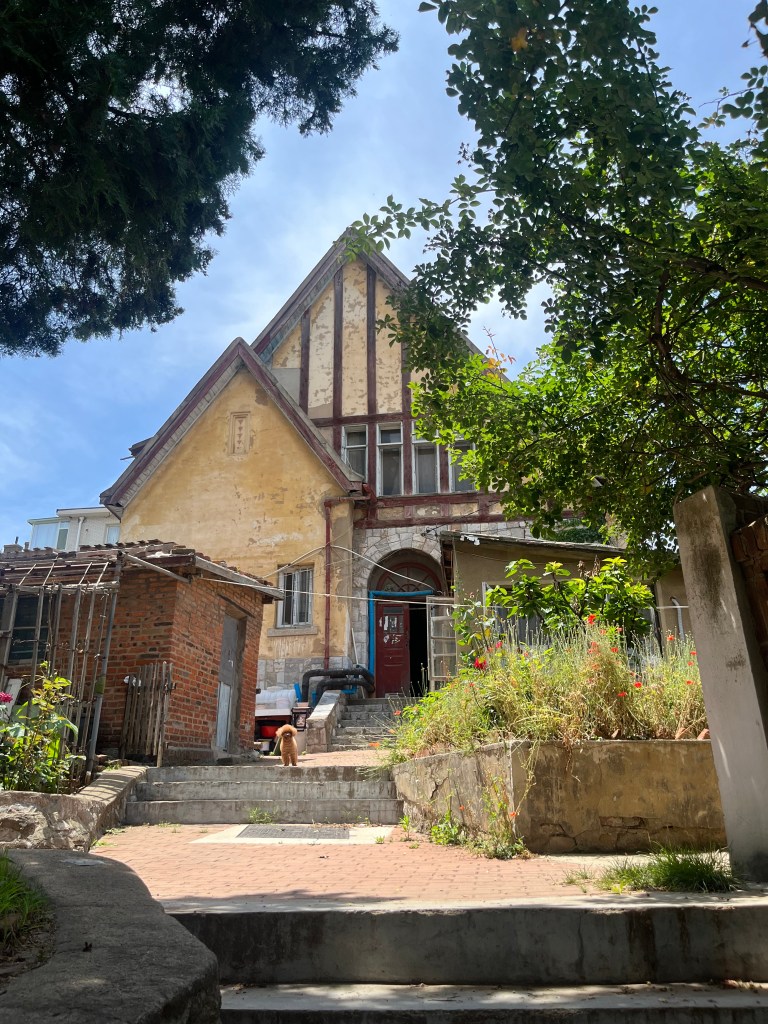
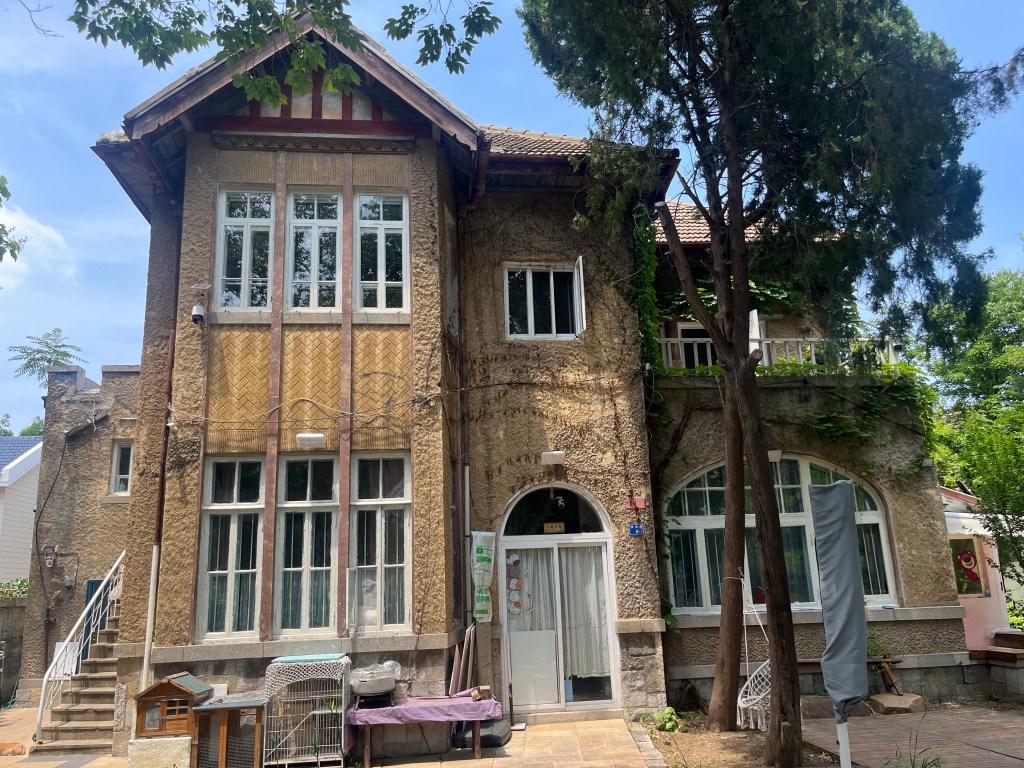
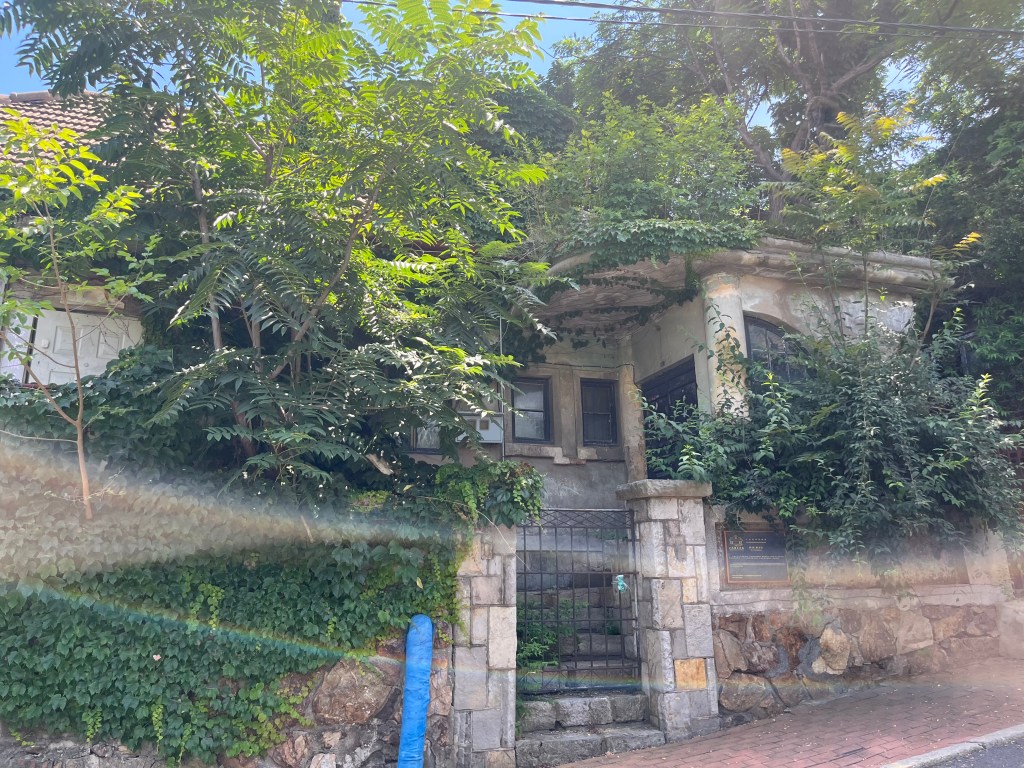
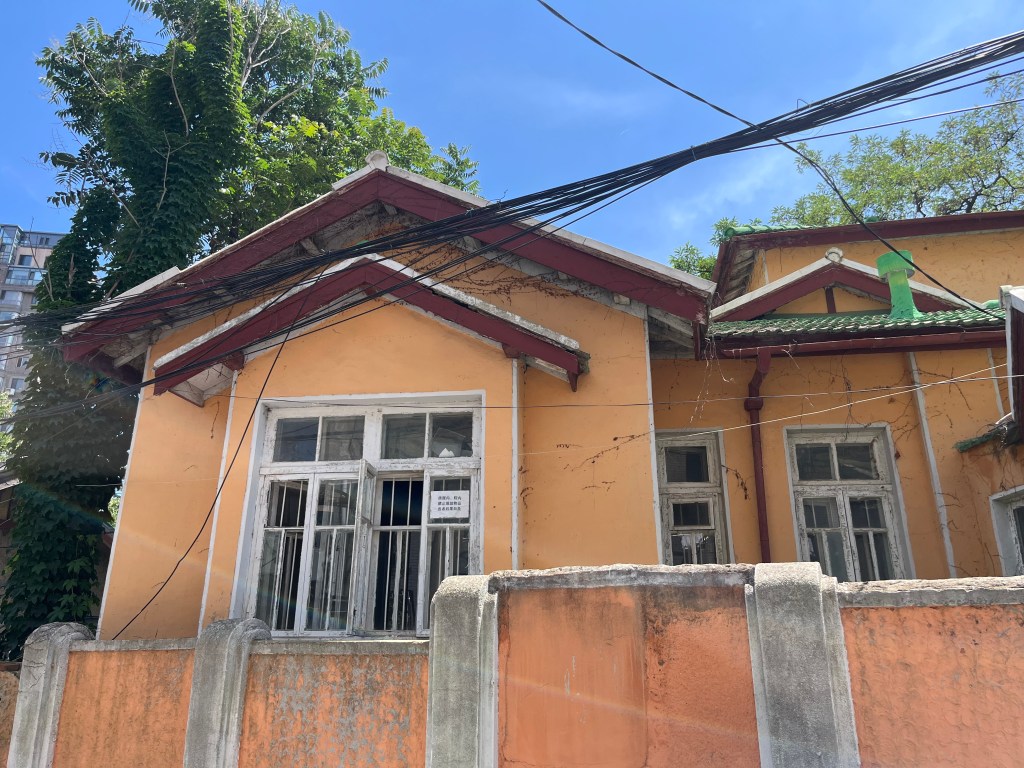
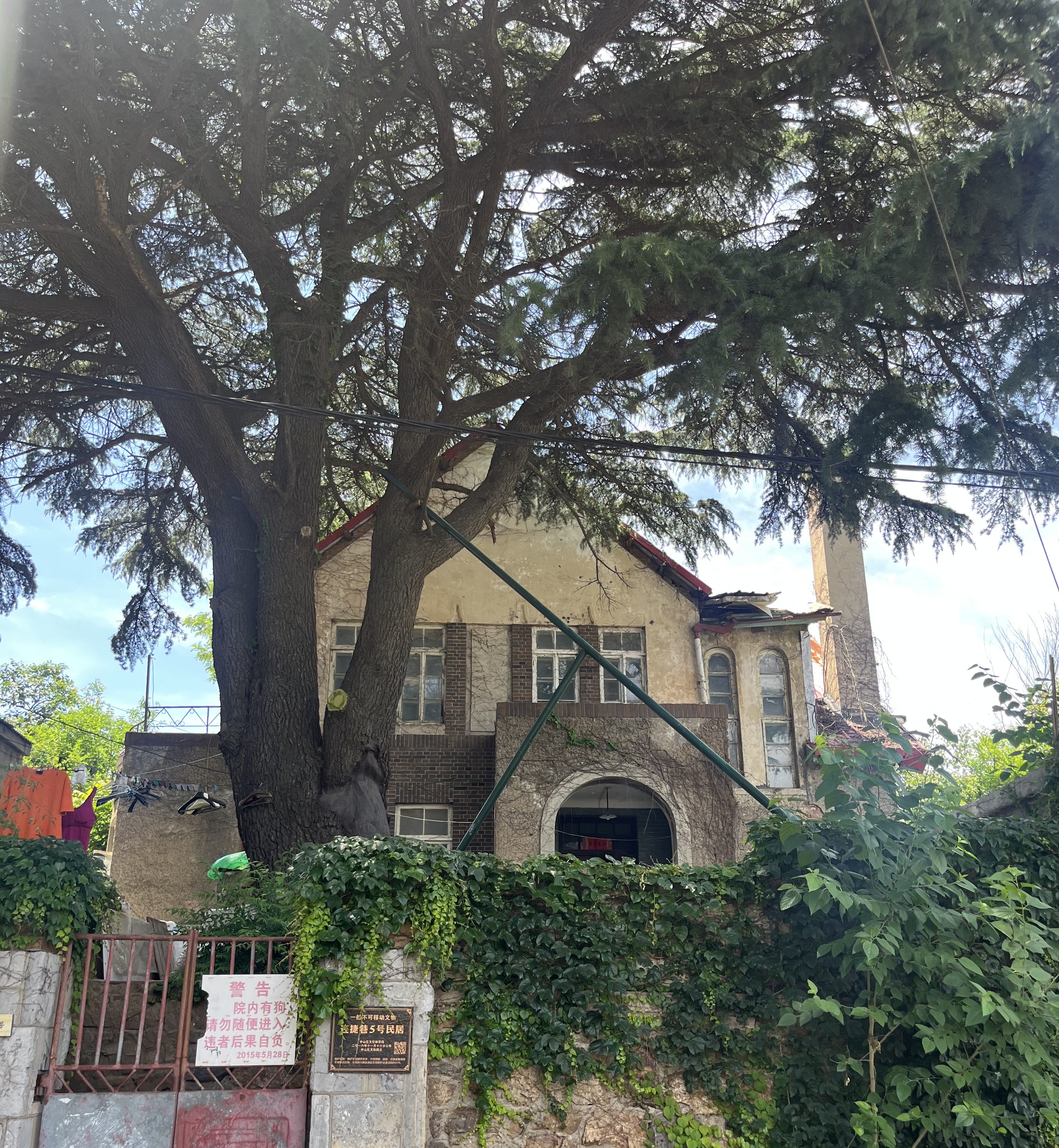
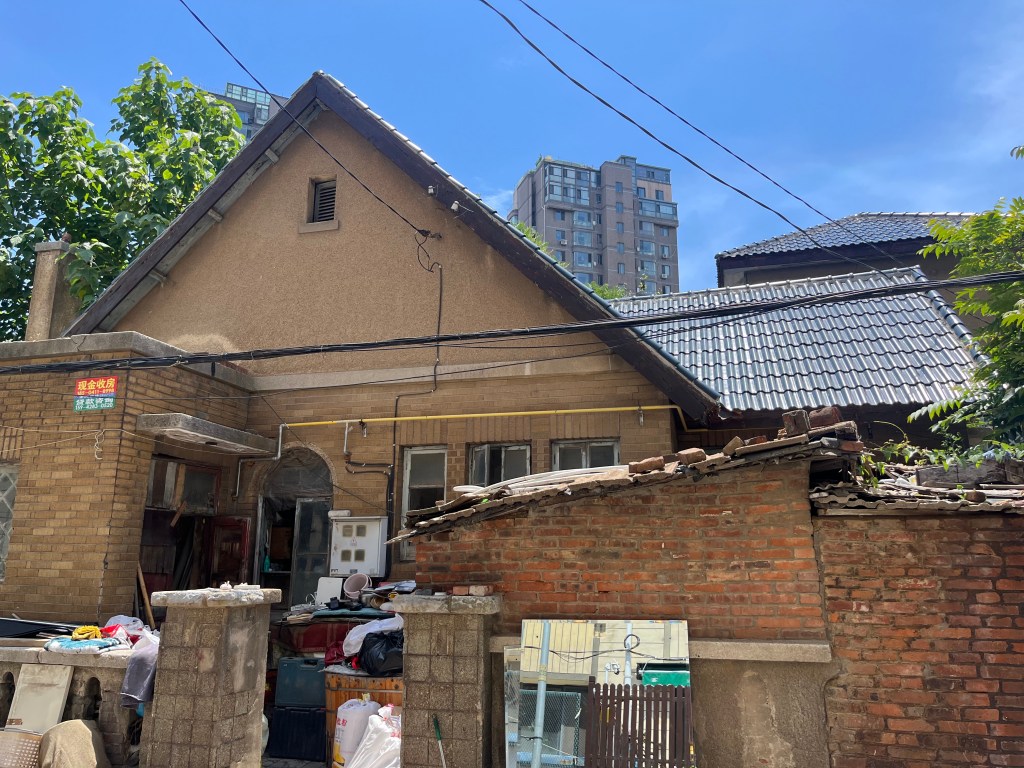
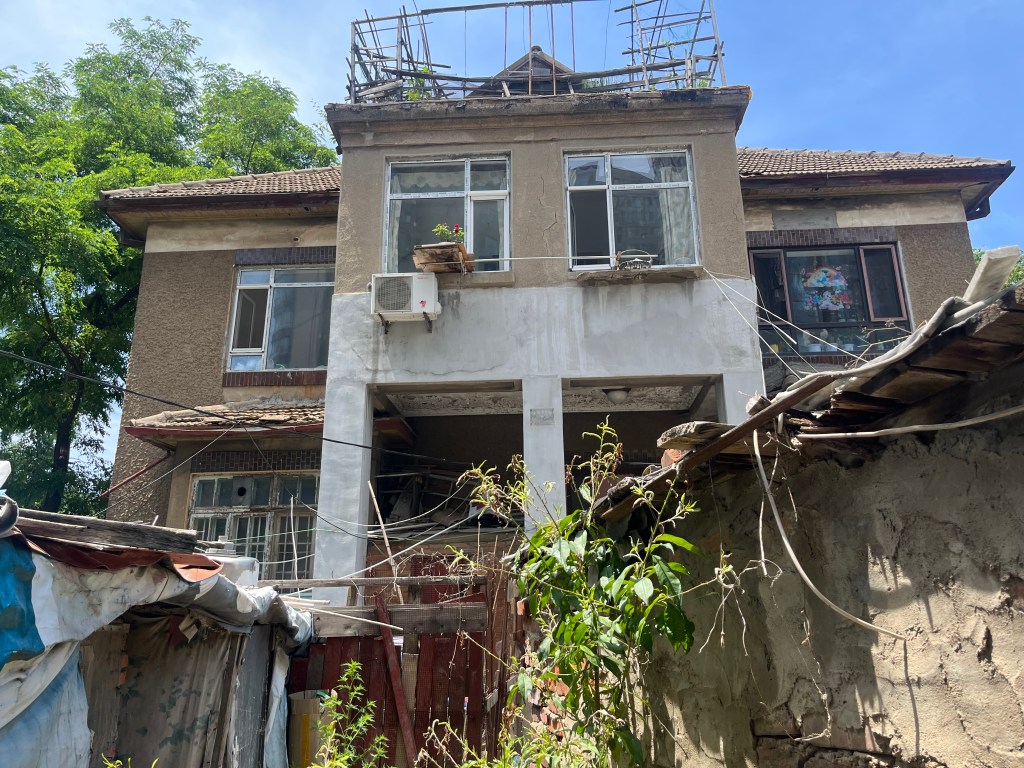
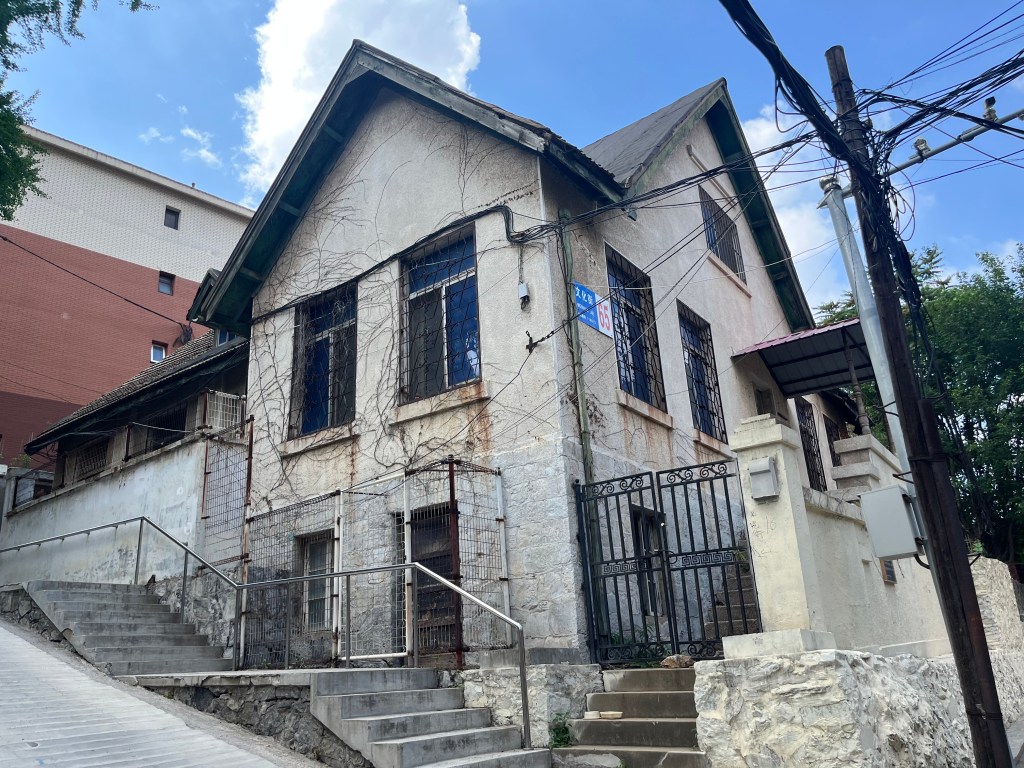
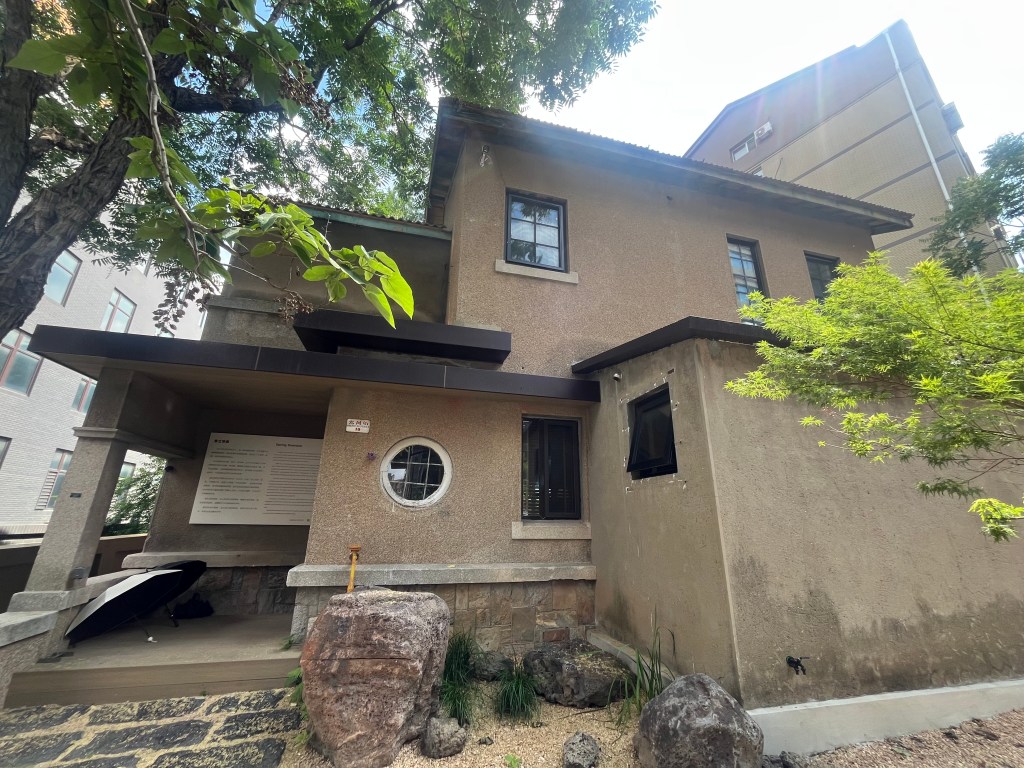
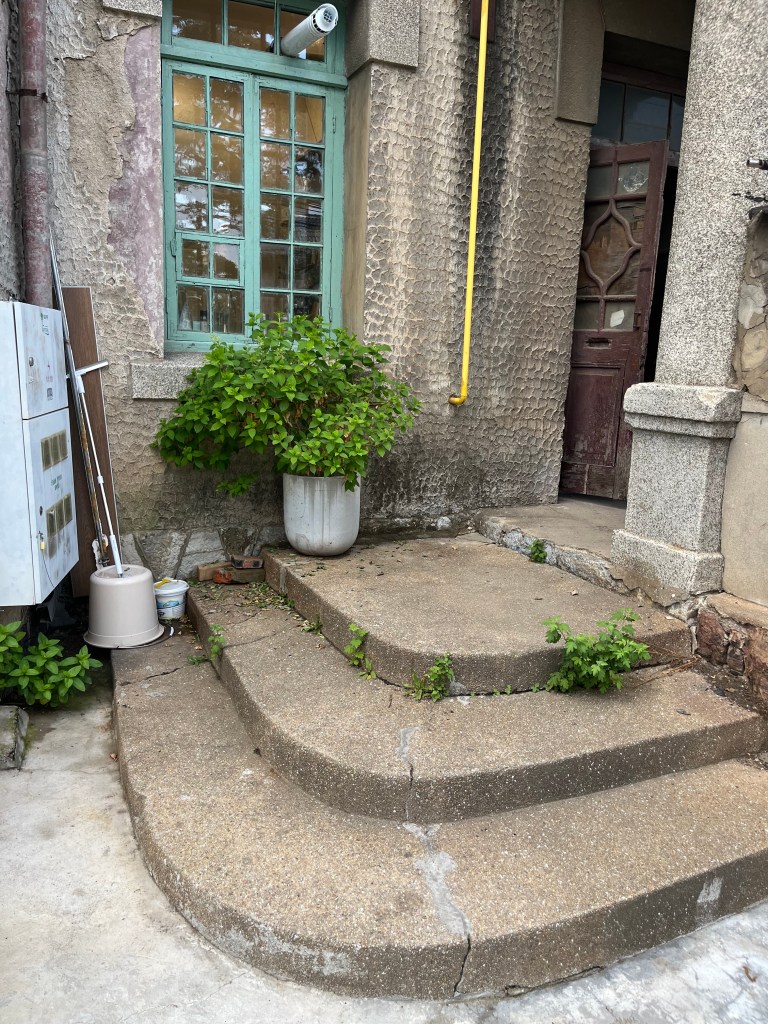
Although the houses retained characteristic features of German residential architecture, such as their roofs and building materials, they were clearly designed to express individual identities rather than standardized forms. After the earlier phase of the German Heimatstil, elements of German Expressionist architecture, such as curved forms and sculptural massing, came to be widely adopted.
Rather than walking through a secret paradise, it felt more like walking through a forgotten place, filled with historical traces. In this sense, the themes of change and continuity may also offer a meaningful way to understand the development of this suburban residential area from the 1920s to the present.
The Dairen suburban residential area is no longer a Tougen (桃源)—a place to escape from modern life. Instead, it has become a tunnel leading back to the modern world of the 1920s.
 YILANGXIANG